01 / DSH Core
DSH Agent / Multi-agent DAG05
DAG Multi-agent Orchestration
An AI Agent project powered by the DSH (DeepSeek Harness) core, orchestrating multi-agent systems via DAG workflows.
DSHDeepSeek HarnessAgent项目AI HarnessDAG多智能体编排跨平台应用工作流图
Atrium is an AI Agent project built on the DSH (DeepSeek Harness) core. Instead of treating agents as simple chat participants, it leverages DAG-based orchestration to model agent tasks as directed workflow nodes with explicit dependencies, execution order, and reusable patterns across platforms.
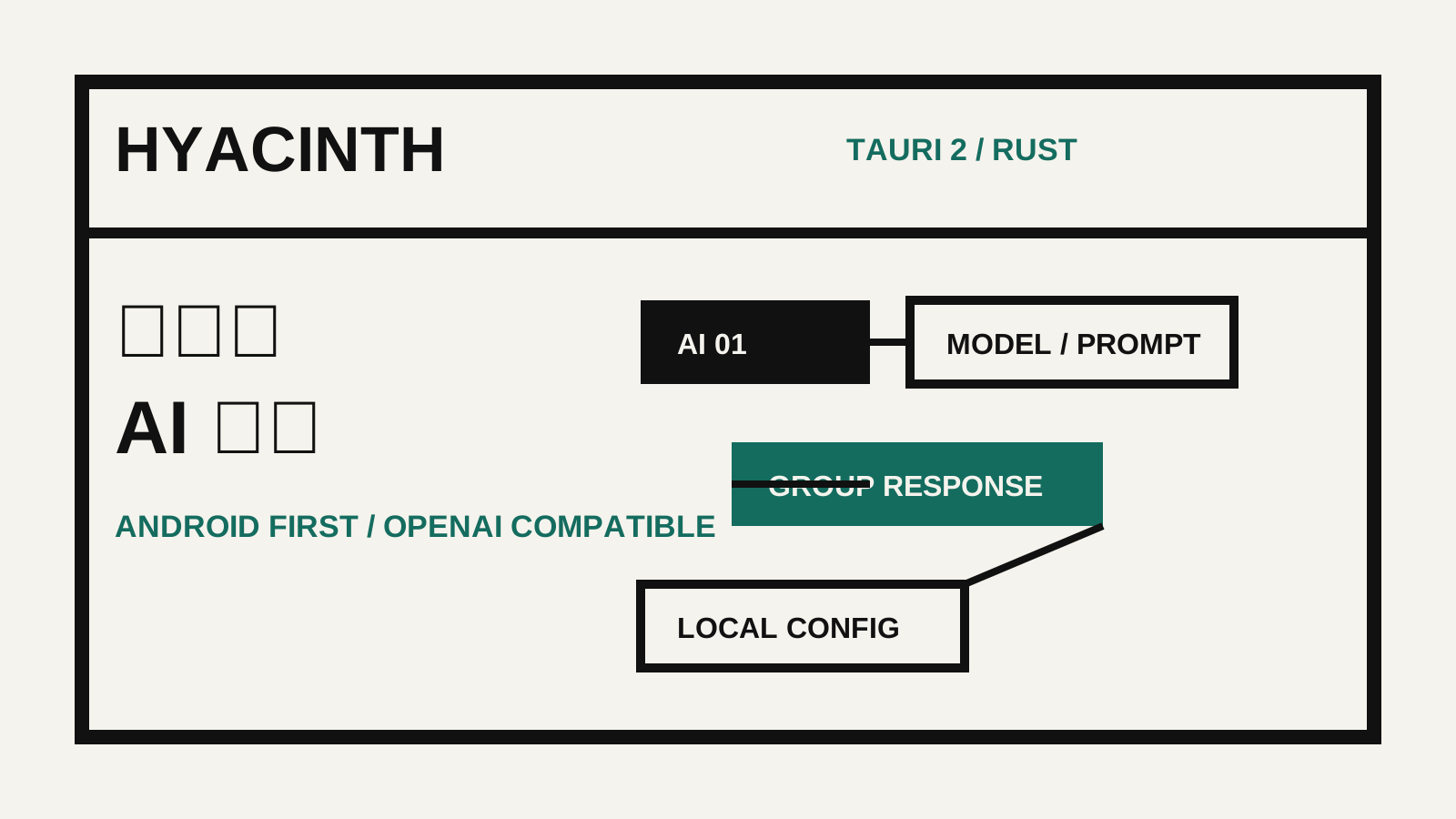
CoreDSH (DeepSeek Harness)
WorkflowDAG
RoleAgent Orchestrator
TargetCross-platform
Repository
https://github.com/ChivaLryCieux
Technical Stack
DSH (DeepSeek Harness)Agent HarnessTauri 2DAGMulti-agent orchestrationCross-platform appWorkflow graphTask coordination
02 / DAG orchestration
Agent work is represented as a directed graph with clear dependencies.
Atrium uses DAG structure to make multi-agent coordination explicit. Each node can represent an agent task, transformation, or decision step, while graph edges define how context and outputs flow through the workflow.03 / Cross-platform runtime
The orchestration surface is designed to travel across desktop and mobile environments.
Packaged as a lightweight cross-platform application, Atrium provides a unified control interface for agent workflows, keeping orchestration logic consistent across supported devices.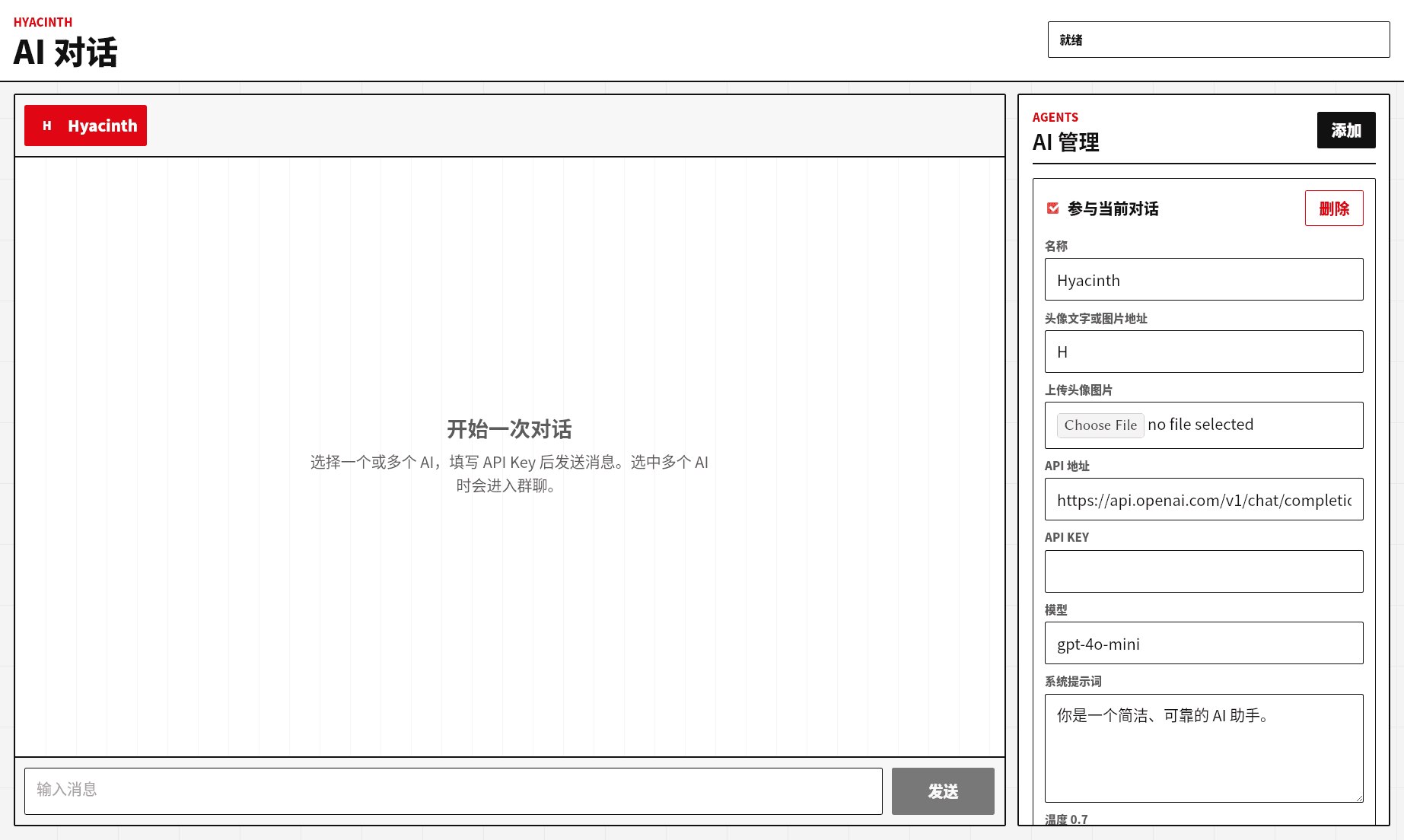
What I Built
01
Built on the DSH (DeepSeek Harness) core for agent runtime execution and lifecycle management.
02
Uses DAG structure to model agent dependencies, execution order, and data flow.
03
Coordinates multiple AI agents as a structured workflow instead of a loose group chat.
04
Supports reusable orchestration patterns for complex AI-assisted tasks.
05
Targets cross-platform use so the same orchestration logic can run across device contexts.