01 / Studio Inception 工坊创立与生态深耕
Minecraft UGC / 12M+ Downloads01
Minecraft UGC / 游戏工作室
GloryLink Studio: Minecraft UGC Game Works 耀临工作室:基于《我的世界》生态的UGC游戏创作
UGC 社区超1200万下载量
耀临工作室GloryLink我的世界Minecraft UGC1200万下载UGC游戏工作室游戏设计沙盒创作
GloryLink is a Minecraft UGC game studio founded in Autumn 2015. Creating original narrative maps, custom gameplay mechanics, and voxel worlds, its series works have achieved over 12 million community downloads. 耀临工作室(GloryLink)创立于2015年秋,是一家深耕《我的世界》(Minecraft)生态的 UGC 游戏工作室。团队专注于原创叙事地图、独立玩法机制与体素世界构建,系列作品在各大游戏社区累计下载量突破 1200 万次,深受海量玩家喜爱。
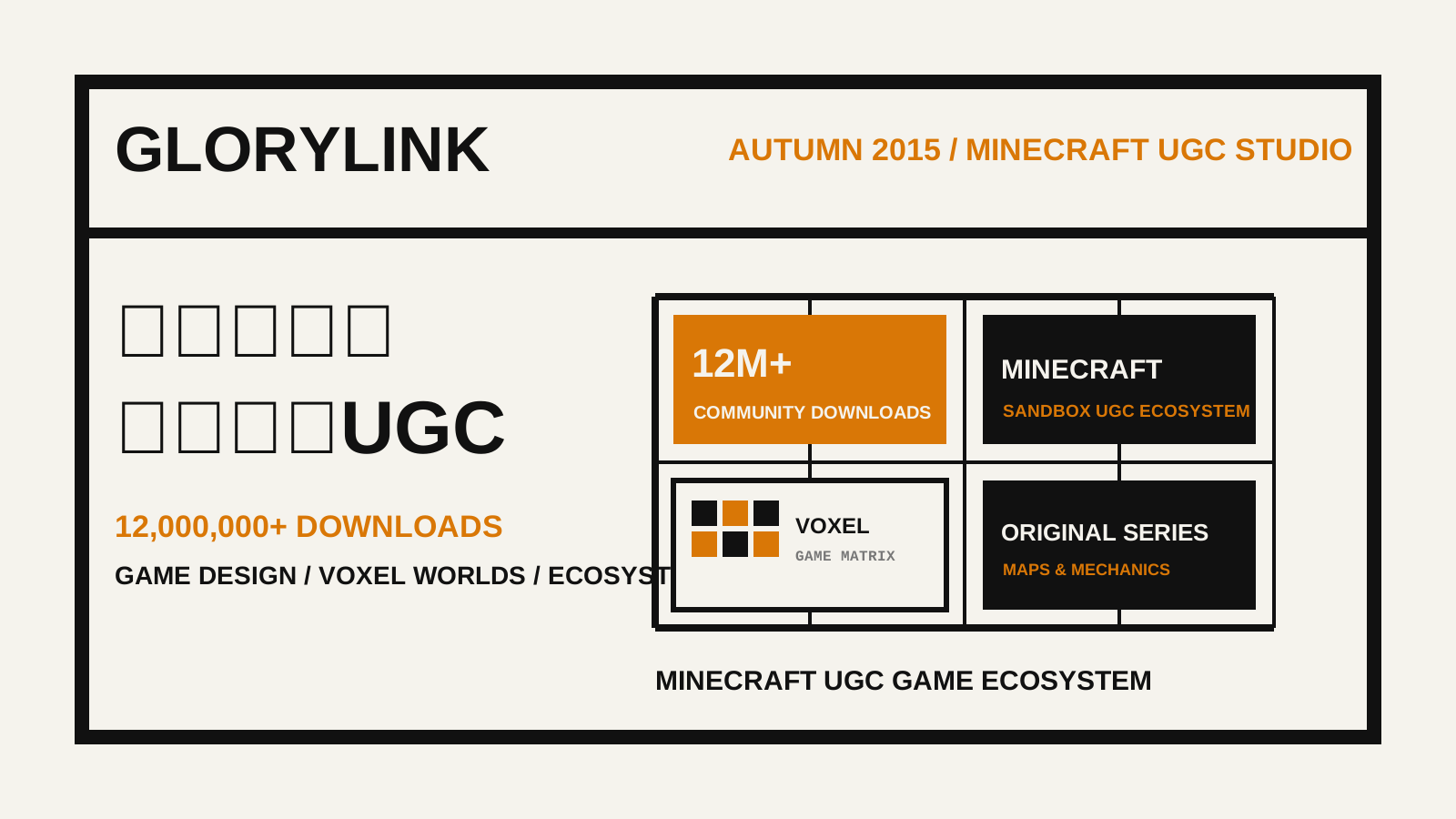
Downloads
社区下载量12,000,000+
超1200万
Ecosystem
依托生态Minecraft
我的世界
Creation Mode
创作范式UGC Studio
创作者工坊
Founded
创立时间Autumn 2015
2015年秋
Reference / 参考信息
GloryLink UGC Studio / Minecraft Ecosystem
Technical Stack / 技术框架
Minecraft UGCGame DesignLevel DesignVoxel ArtCommand & RedstoneNarrative DesignCommunity Operations
02 / Gameplay & Narrative 玩法研发与叙事体验
Balancing sandbox mechanics with authored storytelling. 兼顾沙盒自由机制与沉浸式关卡叙事。
Developing diverse gameplay archetypes ranging from narrative adventure, puzzle dungeons, to custom multiplayer mechanics, pushing the expressive limits of voxel game design. 系列作品覆盖剧情冒险、解谜探险、多人对抗与合作生存等多元品类。在受限的体素网格中实现高度沉浸的环境叙事与细腻的机制设计,赋予沙盒世界独特的情感厚度与游玩乐趣。03 / Community Scale 社区影响与千万级传播
12 million downloads building vibrant player resonance. 1200万次社区下载汇聚庞大玩家社群。
The studio's releases gained massive organic traction across gaming forums and creator platforms, accumulating over 12 million downloads and inspiring extensive secondary community creations. 作品在各大主流游戏社区、论坛及创作者中心引发持续热潮,累计下载量突破 1200 万次。庞大的玩家基数与活跃的二次创作生态,使耀临系列作品成为沙盒 UGC 领域的代表性创作案例之一。Key Contributions / 核心贡献
01
Achieved over 12,000,000 cumulative community downloads across studio releases. / 系列作品在玩家社区累计下载量突破 1200 万次。
02
Built diverse original game portfolios inside the Minecraft sandbox ecosystem. / 基于《我的世界》沙盒生态打造涵盖冒险、解谜与玩法的原创作品矩阵。
03
Engineered cohesive voxel environments with custom mechanics and authored narratives. / 融合体素美术、机关逻辑与定制化剧本构建沉浸式游玩体验。
04
Fostered an active creator community with enduring engagement since 2015. / 自2015年创立以来沉淀出极具黏性与创作活力的玩家社区生态。